RobertSchneiker.com




Mysteries of the
Great Sphinx
As a geophysicist I have solved what some consider
to be one of the greatest archaeological mysteries
of all time: what caused the erosion and, as a
consequence, determined the true age of the
Great Sphinx of Giza. Although perhaps the most
iconic statue in the world, the Sphinx remains one
of the most enigmatic. Despite extensive scientific
research, who built it and when remains a mystery.
Archaeologists conclude that the Sphinx was
constructed during the Fourth Dynasty,
approximately 4,500 years ago, as part of the Giza
Necropolis. This age determination is based on the
association of the Sphinx with the Khafra pyramid
complex. Nevertheless, its true age remains
elusive, as there are no known ancient inscriptions
dating to its construction. According to Zahi Hawass, “The Sphinx is among those few monuments the original date of which is
still debated by scholars; nowadays, amongst archaeologists, the question of who commissioned the Sphinx is between Khafra
and Khufu, only a generation apart.”
Water Erosion Hypothesis
In 1991, Robert Schoch, a geophysicist, and John Anthony West, an independent Egyptologist, presented a paper at the annual Geological Society of America meeting, claiming that the Sphinx bears the unmistakable evidence of erosion by precipitation. In doing so, they pushed the construction of the Sphinx back by thousands of years. They assert that water erosion itself serves as evidence of a lost predynastic civilization responsible for constructing the Sphinx. This challenges the current understanding of ancient human history and the development of civilization. Evidence of a lost civilization sent shock waves through the archaeological community triggering a media frenzy. To this day, their paper remains the cornerstone of alternative archaeology. Colin Reader, another geologist, lends support to the water erosion hypothesis.Sphinx Erosion
The presence of erosion was nothing new. In fact, erosion is one of the few things about the Sphinx that everyone agrees on. Archaeologists and geologists believe the Sphinx has been subjected to erosion for millennia, resulting in the loss of around 1.5 meters from its surface. What remains today is considered to be a ragged, eroded core of a once pristine sculpture. Numerous theories have been proposed to account for the erosion, ranging from windblown sand, Nile floods, upward wicking of salty groundwater, precipitation, and the formation and evaporation of nightly dew. Yet despite decades of research, no geologic process has been identified that could account for the degree and pattern of erosion seen on the Sphinx over the past 4,500 years.PROPOSED SPHINX EROSIONAL PROCESSES
PRECIPITATION: About 2.7 cm annually for the last 5,000 years, significantly higher prior to 3,500 BCE. AEOLIAN: Sandblasting by windblown particles. DEW: Nightly dew dissolves salt, that recrystallizes in rock pores in the morning. Pressure builds as crystals form causing the limestone to exfoliate. GROUNDWATER: Wicking groundwater forms salt crystals as it evaporates. Pressure builds as the crystals form causing the limestone to exfoliate. NILE FLOODING: Annual Nile floods erode the Sphinx limestone. WET SAND: Sand surrounding the Sphinx was wetted by precipitation and floods. Moisture weathered the rock making i6t susceptible to erosion.No single, nor combination, of erosional processes can account for the degree
and pattern of erosion seen on the Sphinx.
A New View
After more than a decade of research, I conclude that every archaeologist and geologist who has ever studied the Sphinx is wrong. At the 2025 annual Geological Society of America meeting, I presented a paper claiming that there is very little erosion of any type on the Sphinx, That what others have described as erosion was actually part of the construction process. The Sphinx, like other Old Kingdom structures, was carved using two-handed stone pounders, stone hammers, and copper chisels. While the head and lower body were carved in-situ, I propose that the softer, weathered limestone layers of the Sphinx body were pounded back, then covered with a veneer of high-quality limestone blocks. The block veneer was then sculpted to form the surface of the Sphinx body. Buried in windblown sand for most of the past 4,500 years (only the head and upper sections of the body were exposed), the sand provided protection from the elements. Over millennia, exposed veneer blocks were looted, revealing the rough-carved body beneath that has been misidentified as erosion.The Osiris Shaft
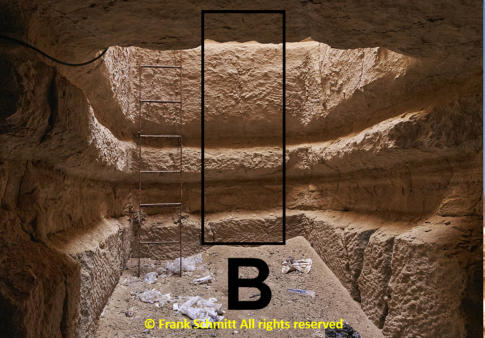
Evidence for the lack of erosion on the Sphinx comes from the Osiris Shaft. Located on the causeway halfway between the Sphinx and the Khafra pyramid, the shaft descends through the same limestone as exposed on the Sphinx body. As with the Sphinx, the ancient Egyptians pounded the softer limestone layers back, making the walls of the Osiris Shaft appear as eroded, if not more so, than the Sphinx body. Chisel marks on the harder protruding layers indicate that there has been very little, if any, erosion in the Osiris Shaft.Historical Significance
My research fundamentally transforms our understanding of the construction and subsequent history of the Sphinx while simultaneously confirming that archaeologists were right regarding its age. The absence of significant erosion indicates the Sphinx could only have been constructed within the past 5,000 years. Given the limited erosion, there is nothing to support the hypothesis that the Sphinx predates the other structures at Giza.Conclusions
• Most “erosion” was part of the construction process. • The weathered limestone of the Sphinx body was too soft to carve, forcing the builders to pound the limestone back then cover the body with high-quality limestone blocks from the start. • Erosion prevented Mark Lehner from assigning the high-quality limestone blocks to the original construction. • Sphinx construction and timeline of repairs needs to be reworked.Implications for Alternative Archaeology
Solving the mystery of the erosion and age of the Sphinx goes beyond its archaeological significance, as erosion forms the foundation upon which alternative archaeology is built. In 1979, West wrote: “If the single fact of the water erosion of the Sphinx could be confirmed, it would in itself overthrow all accepted chronologies of the history of civilisation; it would force a drastic reevaluation of the assumption of ‘progress’ — the assumption upon which the whole of modern education is based. It would be difficult to find a single, simple question with graver implications.” If West's assertion is true, then disproving the water erosion hypothesis would have similar ramifications on the fundamental assumptions of alternative archaeology. It would be difficult to find a single, simple fact with graver implications for alternative archaeology.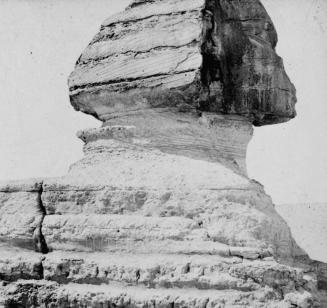
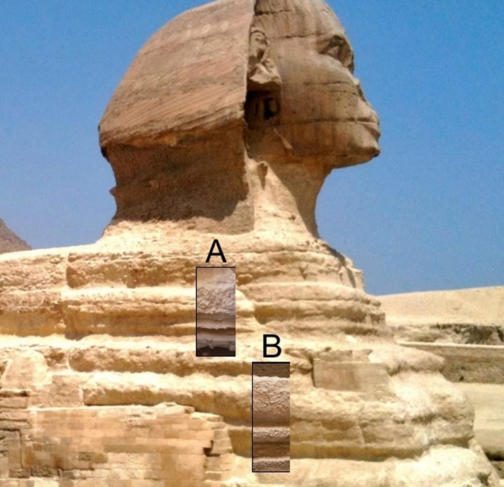
Apparent erosion on the Sphinx. What caused the
erosion and when it occurred is a mystery.

Geophysicist proves the Sphinx is 4,500 years old
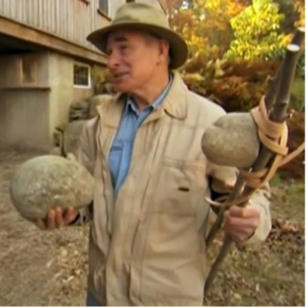
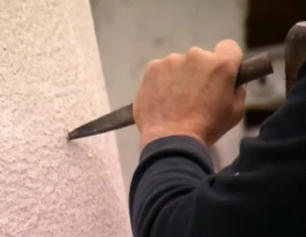
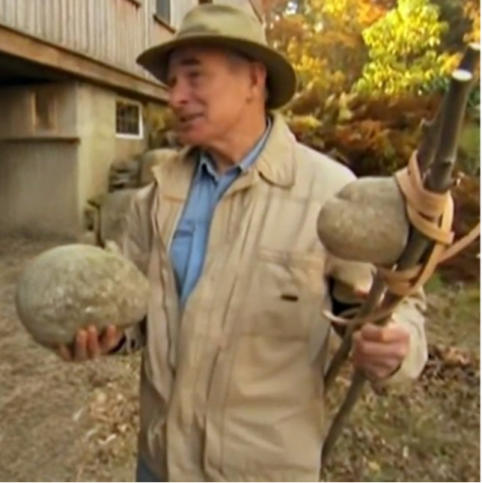
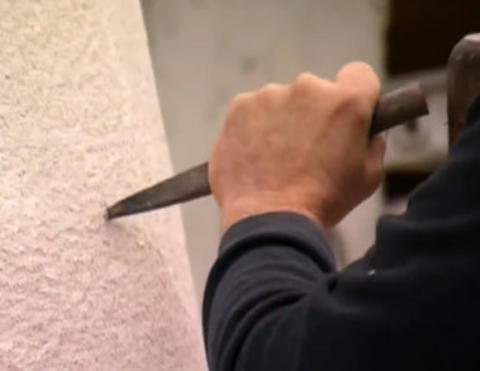
Sphinx carved using two-handed stone pounders, stone
hammers, and copper chisels.
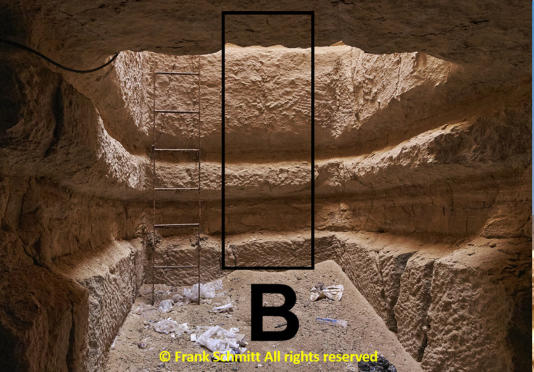
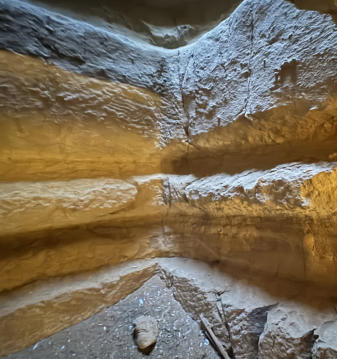
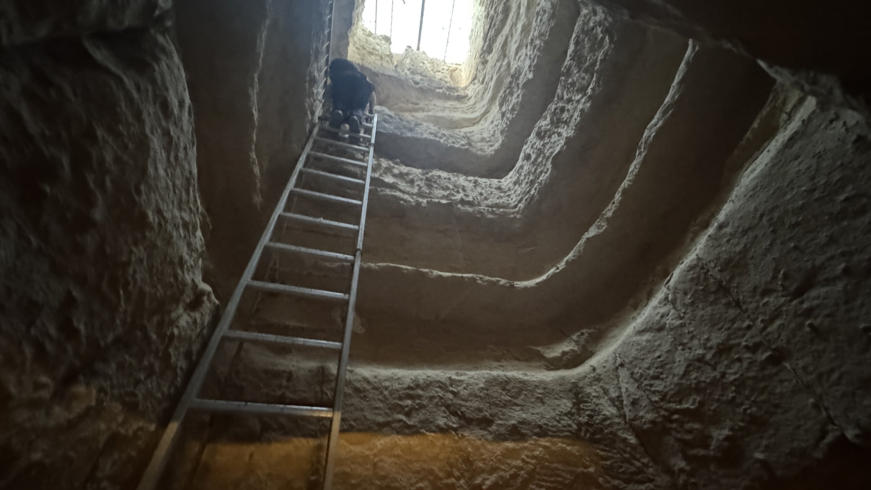
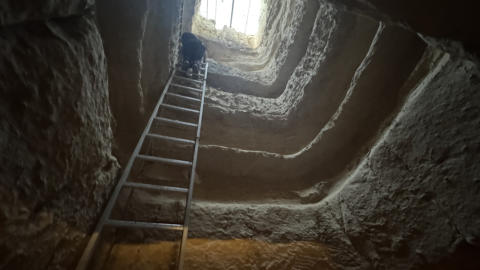
The Osiris Shaft, carved between 4,350 and 4,200 years ago, descends through the same weathered limestone as exposed on the Sphinx
body. It exhibits the same undulating surface as seen on the Sphinx. Located underground and protected from the elements, the pattern
could not have been produced by erosion.



© Anyextee All rights reserved
© Anyextee All rights reserved
NOVA "Riddles of the Sphinx“ December 19, 2012
NOVA "Riddles of the Sphinx“ December 19, 2012
Alfred S. Campbell c1896
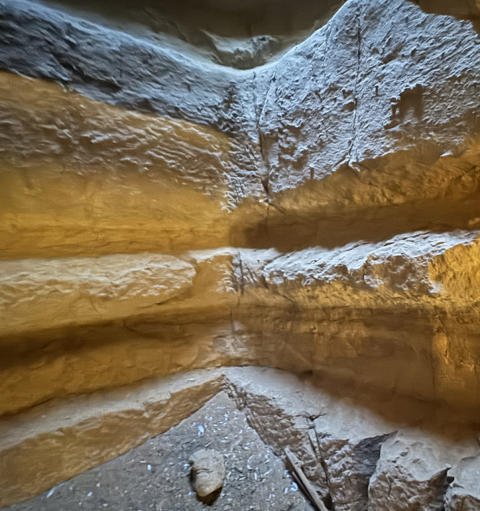
Undulating surface of the Osiris Shaft forms a nearly perfect match with the
Sphinx body.



















© Robert Adam Schneiker 2025
RobertSchneiker.com


Mysteries of the
Great Sphinx

Geophysicist proves
the Sphinx is 4,500
years old
As a geophysicist I have solved what some consider
to be one of the greatest archaeological mysteries of
all time: what caused the erosion and, as a
consequence, determined the true age of the Great
Sphinx of Giza. Although perhaps the most iconic
statue in the world, the Sphinx remains one of the
most enigmatic. Despite extensive scientific
research, who built it and when remains a mystery.
Archaeologists conclude that the Sphinx was
constructed during the Fourth Dynasty,
approximately 4,500 years ago, as part of the Giza
Necropolis. This age determination is based on the
association of the Sphinx with the Khafra pyramid
complex. Nevertheless, its true age remains elusive,
as there are no known ancient inscriptions dating to
its construction. According to Zahi Hawass, “The
Sphinx is among those few monuments the original
date of which is still debated by scholars; nowadays,
amongst archaeologists, the question of who
commissioned the Sphinx is between Khafra and
Khufu, only a generation apart.”
Water Erosion Hypothesis
In 1991, Robert Schoch, a geophysicist, and John Anthony West, an independent Egyptologist, presented a paper at the annual Geological Society of America meeting, claiming that the Sphinx bears the unmistakable evidence of erosion by precipitation. In doing so, they pushed the construction of the Sphinx back by thousands of years. They assert that water erosion itself serves as evidence of a lost predynastic civilization responsible for constructing the Sphinx. This challenges the current understanding of ancient human history and the development of civilization. Evidence of a lost civilization sent shock waves through the archaeological community triggering a media frenzy. To this day, their paper remains the cornerstone of alternative archaeology. Colin Reader, another geologist, lends support to the water erosion hypothesis.Sphinx Erosion
The presence of erosion was nothing new. In fact, erosion is one of the few things about the Sphinx that everyone agrees on. Archaeologists and geologists believe the Sphinx has been subjected to erosion for millennia, resulting in the loss of around 1.5 meters from its surface. What remains today is considered to be a ragged, eroded core of a once pristine sculpture. Numerous theories have been proposed to account for the erosion, ranging from windblown sand, Nile floods, upward wicking of salty groundwater, precipitation, and the formation and evaporation of nightly dew. Yet despite decades of research, no geologic process has been identified that could account for the degree and pattern of erosion seen on the Sphinx over the past 4,500 years.PROPOSED SPHINX EROSIONAL
PROCESSES
PRECIPITATION: About 2.7 cm annually for the last 5,000 years, significantly higher prior to 3,500 BCE. AEOLIAN: Sandblasting by windblown particles. DEW: Nightly dew dissolves salt, that recrystallizes in rock pores in the morning. Pressure builds as crystals form causing the limestone to exfoliate. GROUNDWATER: Wicking groundwater forms salt crystals as it evaporates. Pressure builds as the crystals form causing the limestone to exfoliate. NILE FLOODING: Annual Nile floods erode the Sphinx limestone. WET SAND: Sand surrounding the Sphinx was wetted by precipitation and floods. Moisture weathered the rock making i6t susceptible to erosion.No single, nor combination, of erosional processes can account
for the degree and pattern of erosion seen on the Sphinx.
A New View
After more than a decade of research, I conclude that every archaeologist and geologist who has ever studied the Sphinx is wrong. At the 2025 annual Geological Society of America meeting, I presented a paper claiming that there is very little erosion of any type on the Sphinx, That what others have described as erosion was actually part of the construction process. The Sphinx, like other Old Kingdom structures, was carved using two-handed stone pounders, stone hammers, and copper chisels. While the head and lower body were carved in-situ, I propose that the softer, weathered limestone layers of the Sphinx body were pounded back, then covered with a veneer of high-quality limestone blocks. The block veneer was then sculpted to form the surface of the Sphinx body. Buried in windblown sand for most of the past 4,500 years (only the head and upper sections of the body were exposed), the sand provided protection from the elements. Over millennia, exposed veneer blocks were looted, revealing the rough-carved body beneath that has been misidentified as erosion.The Osiris Shaft
Evidence for the lack of erosion on the Sphinx comes from the Osiris Shaft. Located on the causeway halfway between the Sphinx and the Khafra pyramid, the shaft descends through the same limestone as exposed on the Sphinx body. As with the Sphinx, the ancient Egyptians pounded the softer limestone layers back, making the walls of the Osiris Shaft appear as eroded, if not more so, than the Sphinx body. Chisel marks on the harder protruding layers indicate that there has been very little, if any, erosion in the Osiris Shaft.Historical Significance
My research fundamentally transforms our understanding of the construction and subsequent history of the Sphinx while simultaneously confirming that archaeologists were right regarding its age. The absence of significant erosion indicates the Sphinx could only have been constructed within the past 5,000 years. Given the limited erosion, there is nothing to support the hypothesis that the Sphinx predates the other structures at Giza.Conclusions
• Most “erosion” was part of the construction process. • The weathered limestone of the Sphinx body was too soft to carve, forcing the builders to pound the limestone back then cover the body with high-quality limestone blocks from the start. • Erosion prevented Mark Lehner from assigning the high-quality limestone blocks to the original construction. • Sphinx construction and timeline of repairs needs to be reworked.Implications for Alternative
Archaeology
Solving the mystery of the erosion and age of the Sphinx goes beyond its archaeological significance, as erosion forms the foundation upon which alternative archaeology is built. In 1979, West wrote: “If the single fact of the water erosion of the Sphinx could be confirmed, it would in itself overthrow all accepted chronologies of the history of civilisation; it would force a drastic reevaluation of the assumption of ‘progress’ — the assumption upon which the whole of modern education is based. It would be difficult to find a single, simple question with graver implications.” If West's assertion is true, then disproving the water erosion hypothesis would have similar ramifications on the fundamental assumptions of alternative archaeology. It would be difficult to find a single, simple fact with graver implications for alternative archaeology.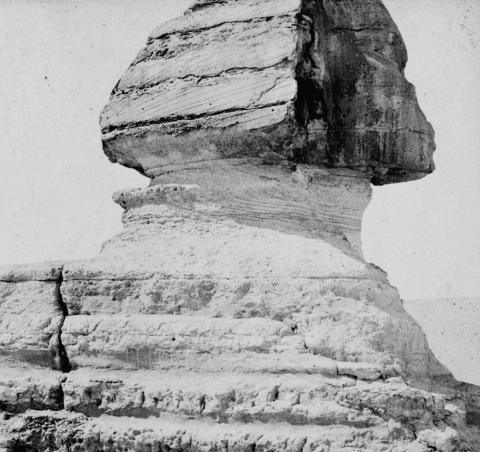
Apparent erosion on the Sphinx. What caused
the erosion and when it occurred is a mystery.
Alfred S. Campbell c1896
NOVA "Riddles of the Sphinx“ December 19, 2012
NOVA "Riddles of the Sphinx“ December 19, 2012
Sphinx carved using two-handed stone
pounders, stone hammers, and copper chisels.
© Anyextee All rights reserved
© Anyextee All rights reserved
The Osiris Shaft, carved between 4,350 and 4,200 years ago,
descends through the same weathered limestone as exposed on the
Sphinx body. It exhibits the same undulating surface as seen on the
Sphinx. Located underground and protected from the elements, the
pattern could not have been produced by erosion.
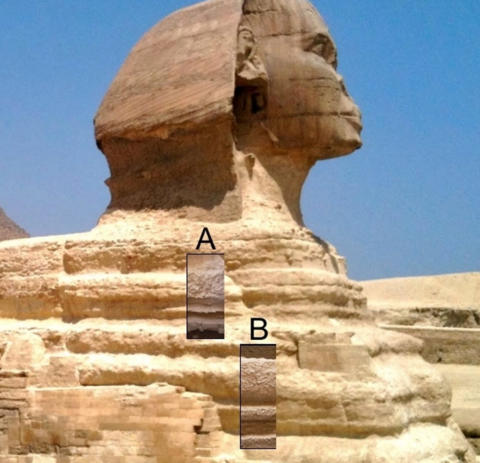
Undulating surface of the Osiris Shaft forms a
nearly perfect match with the Sphinx body.